

Expanding Access to Public Transportation in the Community
Get the details on upcoming work and share your voice to help shape the future of transit in the Richmond region!
Get Email Updates
Current Projects & Plans:
-
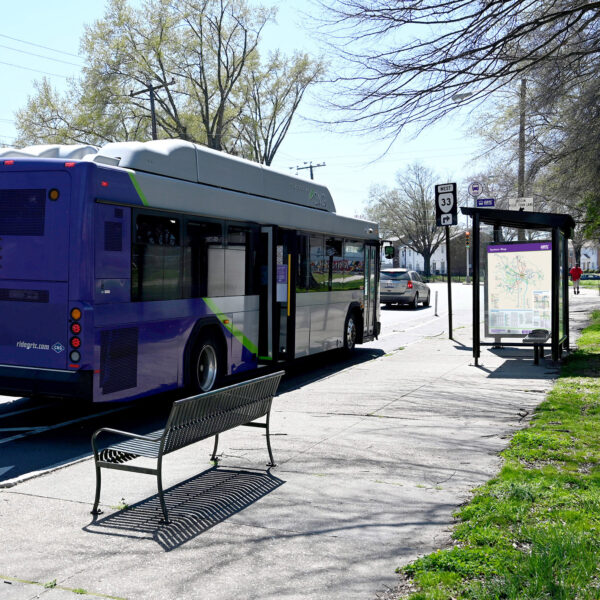
Essential Transit Infrastructure (Shelters and Benches)

-
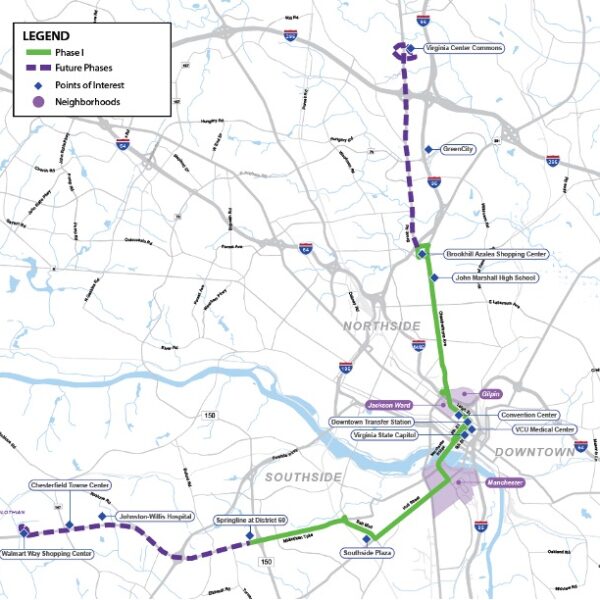
North-South Pulse Expansion
-
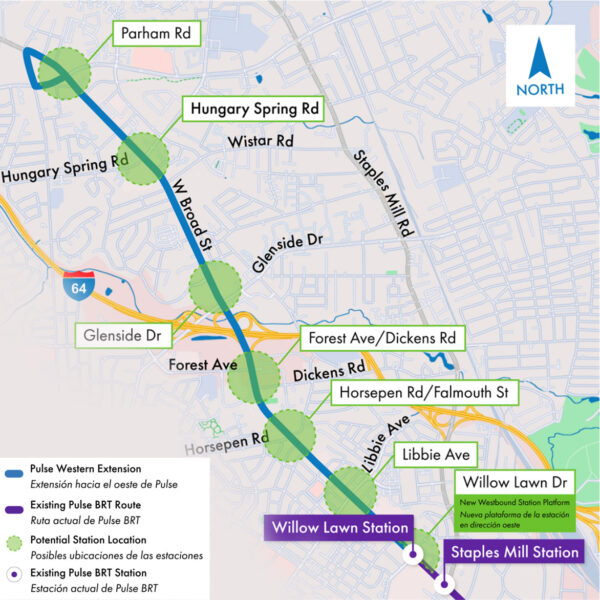
Pulse Western Extension
-

Permanent Downtown Transfer Hub
-
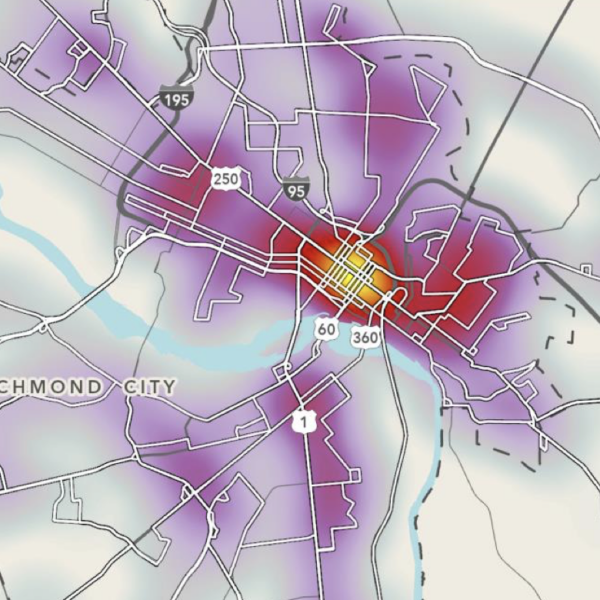
GRTC Transit Strategic Plan FY 2025 – FY 2034
The Greater Richmond Transit Company (GRTC)’s first Transit Strategic Plan (TSP) will help GRTC determine the future direction of transit service across the greater Richmond region. This plan will meet the requirements established by Virginia’s Department of Rail and Public Transportation (DRPT).
Completed Projects & Studies:
-
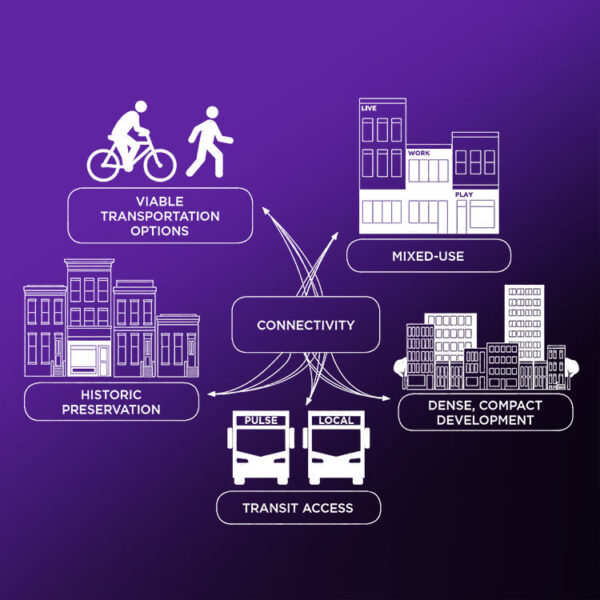
Transit-Oriented Development Along the North-South Pulse
-
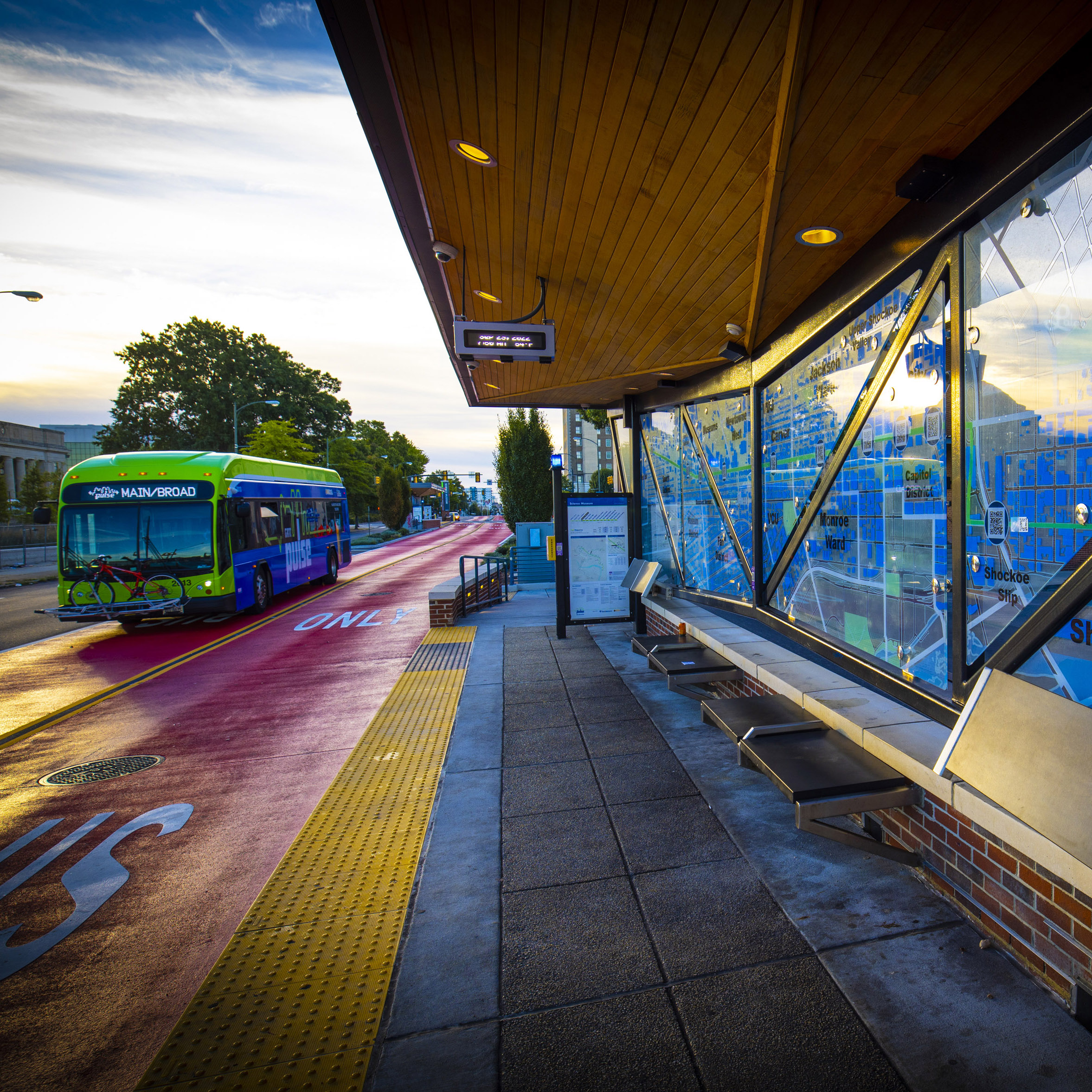
Pulse Station Modification
-
Service Equity Analyses
-
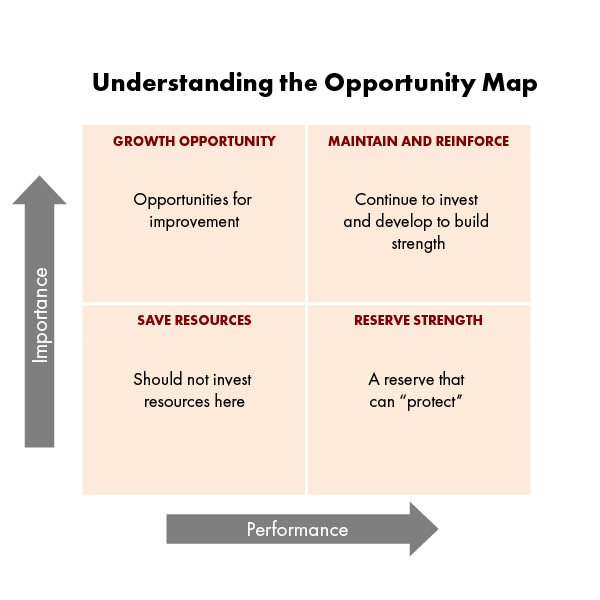
Greater RVA Transit Vision Plan
-
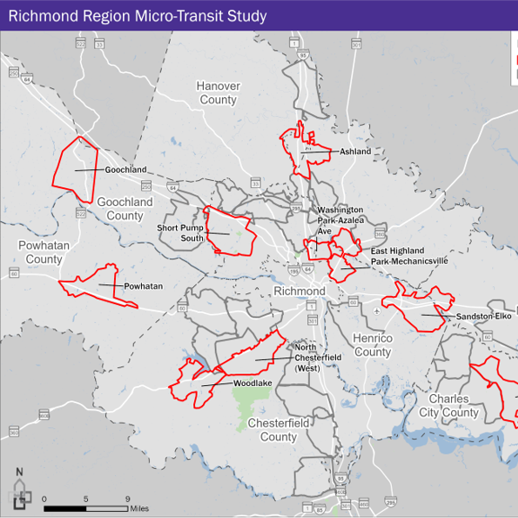
Micro-Transit Study
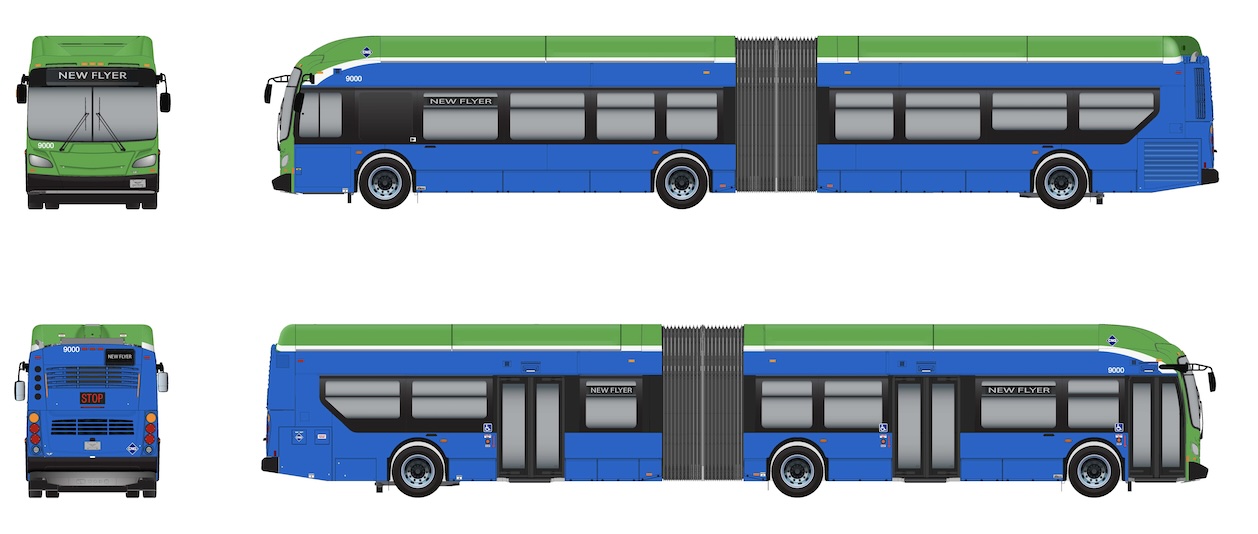
With station upgrades complete, GRTC introduced the new articulated buses in summer 2025. These vehicles improved passenger flow, reduced dwell times, and significantly increased rider capacity—enhancing the overall Pulse experience as we grow with the region.
Why this project?
The existing 26 Pulse stations were originally designed to support approximately 3,500 daily passengers. Today, more than 6,100 riders rely on Pulse each day—leading to crowded buses and increasing demand. To meet this growing need, GRTC is expanding its fleet with articulated buses that offer more space, modern amenities, and a third door for quicker, more efficient boarding.
What was done?
To accommodate the larger buses and ensure all three doors align with the platform, GRTC made targeted modifications at each station, including:
- Removal of sections of the brick “knee wall”
- Replacement of station tiles and rubber guide rails for improved level boarding
Click the links below to read the Service Equity Analyses:
Click the link below to read the Greater RVA Transit Vision Plan:
 2015 Transit Survey – Shaping the Future of GRTC’s Transit System
The creation of the Central Virginia Transportation Authority (CVTA) by the 2020 General Assembly established new funds for priority transportation investments in the Richmond Region.
The two main sources of revenue are regional sales and use tax (0.7%) and wholesale gas and diesel tax (7.6 cents and 7.7 cents). The CVTA funds are allocated in three ways – 15% to GRTC, 50% to each participating locality proportionally, and 35% for regional projects. GRTC is required to develop a Regional Public Transportation Plan that identifies how GRTC plans to spend the 15% allocation. A micro-transit study was identified as a regional priority during the development of the FY2022 plan.
The microtransit study identified recommendations for a pilot program that launched in fall of 2023 – GRTC’s LINK Microtransit.
What is Microtransit?
Microtransit is on-demand, curb-to-curb public transportation that provides transit service in areas that might not support traditional fixed route bus demand.
Microtransit Pilot Program Overview
The Greater Richmond Transit Company (GRTC), partnered with consultant Michael Baker International, exploring the demand, need, potential, and feasibility for microtransit services in the Greater Richmond Region. The Greater Richmond Region includes the jurisdictions of Ashland, Charles City, Chesterfield, Goochland, Hanover Henrico, New Kent, Powhatan, and the City of Richmond.
Click the link below to read the Micro-Transit Study:
Richmond Region Micro-Transit Study – Final Report January 2023