

News
Earth Day: How GRTC and TAP Support a More Sustainable Richmond
April 17, 2026
GRTC News
Every ride makes a difference.
At GRTC, sustainability is built into how we move people across the region. Public transit helps reduce emissions, ease congestion, and connect people to the places that matter most including jobs, school, healthcare and community resources.
Transit vs. Driving: A Clear Impact
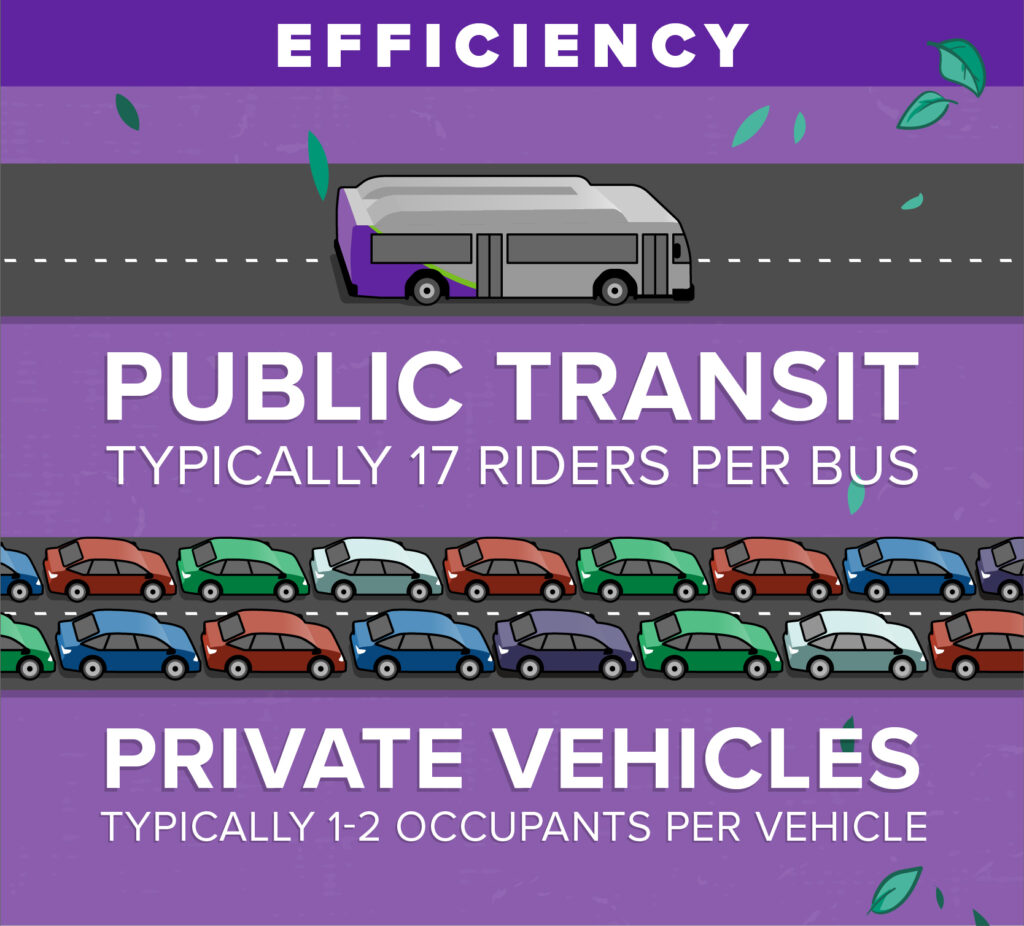
Transportation is one of the largest contributors to greenhouse gas emissions. In car-dependent systems, most trips are made in single-occupancy vehicles which often carry just one person.
Public transit offers a more efficient option.
A typical trip on public transit produces significantly fewer greenhouse gas emissions than driving alone. By moving more people with fewer vehicles, transit helps reduce the overall carbon footprint of our region.
Each year, GRTC provides more than 12 million rides, including approximately 29,600 weekday riders. That means thousands of trips that could otherwise be taken by car are replaced with a more sustainable option.
Cleaner Fleet, Lower Emissions
GRTC has made long-term investments to reduce its environmental impact.
Today, nearly all fixed-route, Pulse buses and CARE vehicles operate on compressed natural gas (CNG), a cleaner-burning fuel that produces fewer emissions than traditional diesel.
Real Results for Our Region
GRTC service helps reduce greenhouse gas emissions in the Richmond region by more than 5,000 metric tons each year. As ridership grows, that impact continues to increase, making each trip even more efficient from an environmental perspective.
Sustainability and Access Go Hand in Hand
GRTC’s Open Access model makes transit available to everyone, removing barriers and encouraging more people to ride.
This not only expands access to opportunity, but also supports environmental goals by reducing reliance on single-occupancy vehicles.
Support the Transit Access Partnership
This Earth Day, there’s an opportunity to build on that impact.
Through the Transit Access Partnership (TAP), individuals and organizations can help sustain Open Access transit and expand access across the region.
Here’s what your donations support:
$3.50
A day of public transit travel for one rider
$17.50
A week of rides for one rider
$60.00
A full month for one rider
*Numbers based on GRTC’s fares prior to the Open Access program
Every contribution helps keep transit accessible and our region moving toward a more sustainable future.