

News
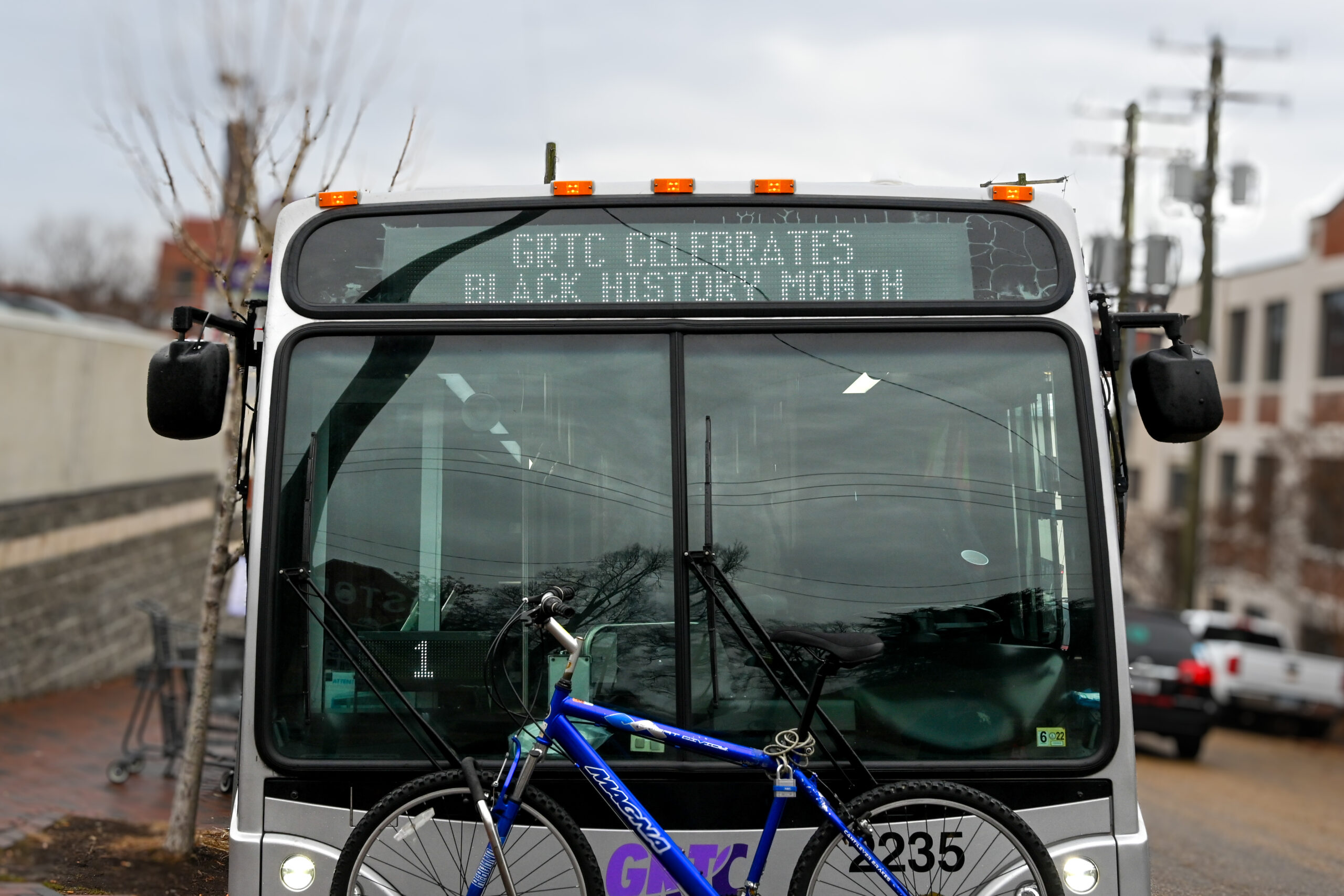
GRTC Celebrates Black History Month
February 09, 2026
GRTC News
Each February, the Greater Richmond Transit Company (GRTC) honors Black History Month by honoring the riders and communities who have shaped transit in the Richmond region and continue to rely on it every day. From where people wait for the bus to where it can take them, GRTC’s work is focused on improving access, opportunity, and connection for the people who depend on transit most.
Richmond’s transit system is one of the longest continuously operating in the nation, with service interrupted only during the Civil War. Before the Montgomery Bus Boycotts of 1955, riders in Richmond organized against segregation on streetcars in the early 20th century after state laws mandated separation by race. In 1902, the streetcar running between the City of Richmond and Seven Pines in Henrico County was segregated. That same corridor is still served today by GRTC routes 7A and 7B, carrying riders along a path shaped by both injustice and resilience.
While segregation on public transportation was ruled unconstitutional by 1956, unequal access to reliable transportation remains a reality for many riders, particularly in low income and historically marginalized neighborhoods. For people without access to a car, transit is not optional. It is how they get to work, school, medical appointments, grocery stores, and family.
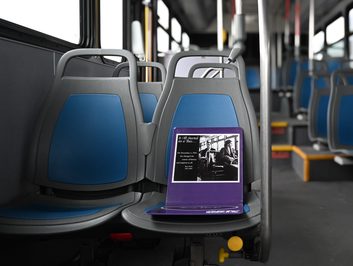
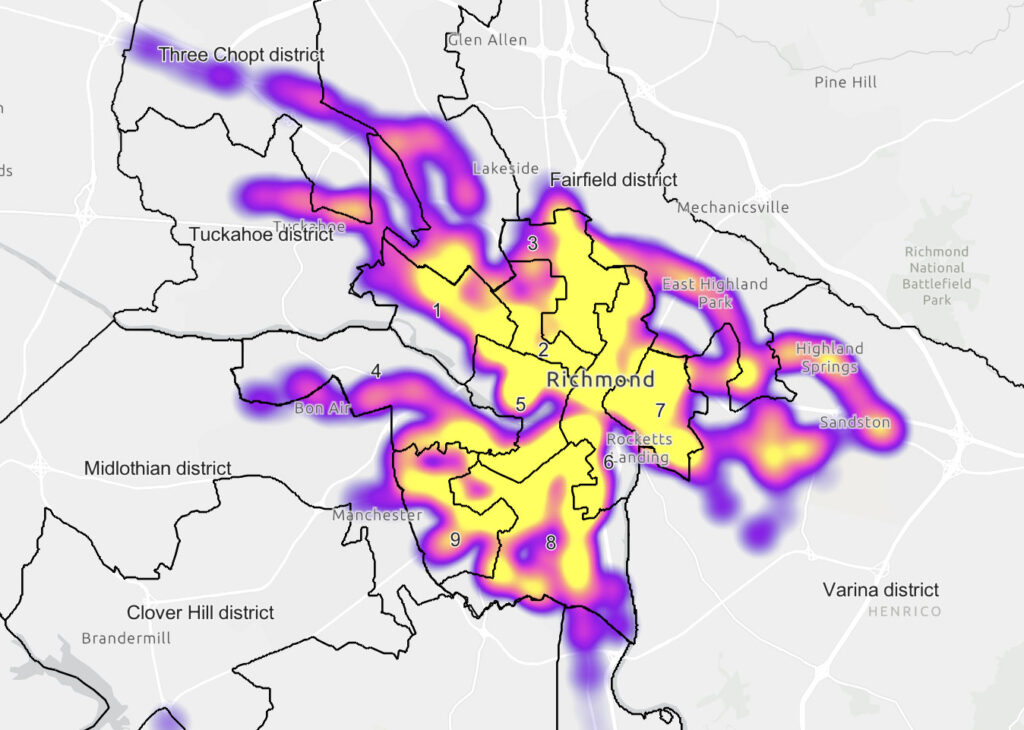
For nearly six years, GRTC has operated an open access transit system, allowing riders to board local, express, and scheduled microtransit and paratransit services without paying a fare. By removing cost as a barrier, GRTC’s open access has helped riders stretch household budgets and move more freely across the region. About 75 percent of local route riders identify as Black or African American, and more than half of GRTC riders live in households earning less than $25,000 annually. Ridership trends over the last six years reinforced what riders have long known, bus service is essential to daily life and economic stability.
GRTC’s focus on equity also extends to the places where riders wait. Across more than 1,600 bus stops, 39 percent currently include a bench, shelter, or both. Through the Essential Transit Infrastructure Plan, adopted in 2022, GRTC is working to improve that. ETI prioritizes stop improvements based on community need, not just ridership counts, directing investment toward neighborhoods that have historically lacked basic transit amenities. With sustained funding, GRTC aims to expand seating, shelters, and accessible features, improving comfort, safety, and dignity for riders.
Riders and community members can also play a direct role in sustaining open access transit through the Transit Access Partnership. TAP supports GRTC’s Zero Fare program and broader equity efforts, helping ensure that transit remains accessible to those who need it most while strengthening connections across the region.
Looking ahead, GRTC is advancing major projects designed to improve how riders move across Central Virginia, including the investment in a permanent Downtown Transfer Station, the Pulse Western Expansion and the development of a new North-South Pulse line. These investments will create faster, more reliable connections and open new pathways to jobs, education, healthcare, and opportunity.
As GRTC recognizes Black History Month, the focus remains on riders past, present, and future, and on building a transit system that honors history while delivering more equitable, reliable, and connected service for the region.